Why Is Glass Epoxy Sheet Used in High-Performance Equipment?
2026-08-12 17:30:09
Glass epoxy sheet has become the material of choice in high-performance equipment because it uniquely combines three critical properties: exceptional electrical insulation, superior mechanical strength, and outstanding thermal stability. These thermosetting composite laminates solve fundamental engineering challenges where equipment failure is not an option—from preventing electrical arcing in high-voltage transformers to maintaining dimensional precision in aerospace components exposed to temperature extremes. When your operations demand reliability under stress, moisture resistance in harsh environments, and long-term durability without performance degradation, glass epoxy sheet delivers proven results that inferior materials simply cannot match.
Introduction
A requirement for high-performance equipment in all fields is materials that won't break down in harsh conditions. We've worked with procurement teams and engineering managers for more than 20 years, and they face this problem every day. Glass Epoxy Sheets are a technological answer to long-standing issues in industry, like electrical breakdown in damp conditions, mechanical deformation during thermal cycling, and structural failure during heavy-duty operations.
This composite material is the main part of printed circuit boards that power modern electronics, insulation barriers that keep power distribution systems safe, structural parts in car battery packs, and precision-machined parts in industrial machinery. When purchasing materials for important projects, procurement professionals need to find dependable suppliers who know both the technical requirements and the performance needs these sheets must meet in the real world. Working with electrical manufacturers, machinery builders, power sector experts, automotive suppliers, and appliance makers has taught us what B2B buyers really need: not just product datasheets, but also useful advice on how to make sourcing decisions that keep equipment working and prevent downtime.
Understanding Glass Epoxy Sheet: Composition and Key Properties
What Makes Up This Industrial Laminate
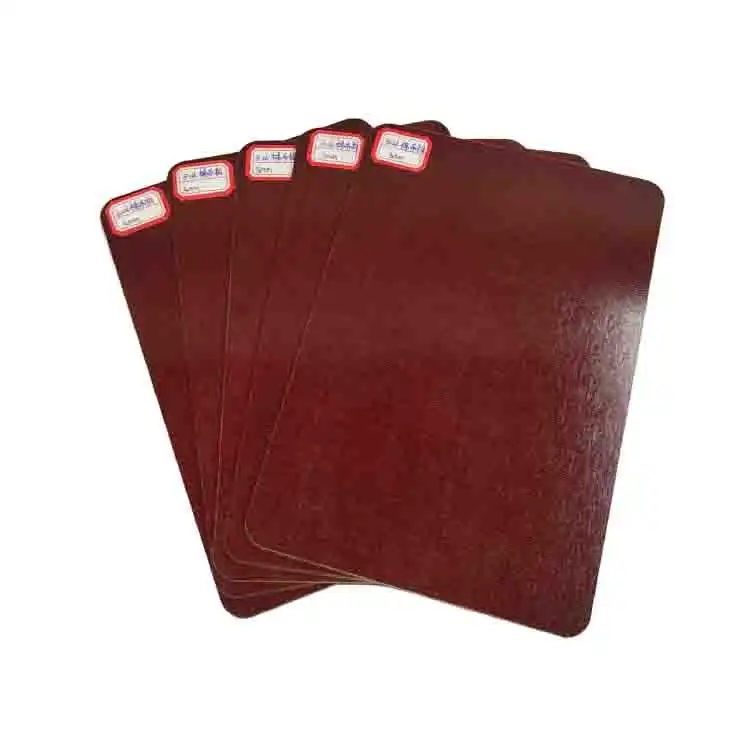
The first step in making a Glass Epoxy Sheet is to soak continuous-filament woven glass cloth in thermosetting epoxy glue. During production, several layers are pressed together using controlled heat and pressure. This makes a solid, even mass that won't melt or change shape once it's fixed. Unlike thermoplastics, which get softer when heated again, this process makes sheets that have the same qualities all the way through. The epoxy binder holds everything together and makes it resistant to chemicals, while the glass fiber support gives the structure strength and stability.
Critical Performance Characteristics
The dynamic qualities of the material make it different from other options. Depending on the grade, flexural strength is usually between 45,000 and 70,000 PSI, which means it can hold weight without breaking or bending. This ratio of strength to weight is useful when designing equipment that needs strong parts that don't weigh too much. When the dielectric strength hits about 500 to 800 volts per mil, it creates solid electrical insulation that stops current leakage and arc formation. Water absorption stays very low, between 0.1% and 0.25%. This means that electrical qualities stay the same even in places with a lot of moisture, where phenolic paper laminates would break down. Different grades have different temperature performance. Standard materials stay strong at constant temperatures around 130°C, while high-Tg versions keep working up to 180°C.
Industry Standard Grades and Their Distinctions
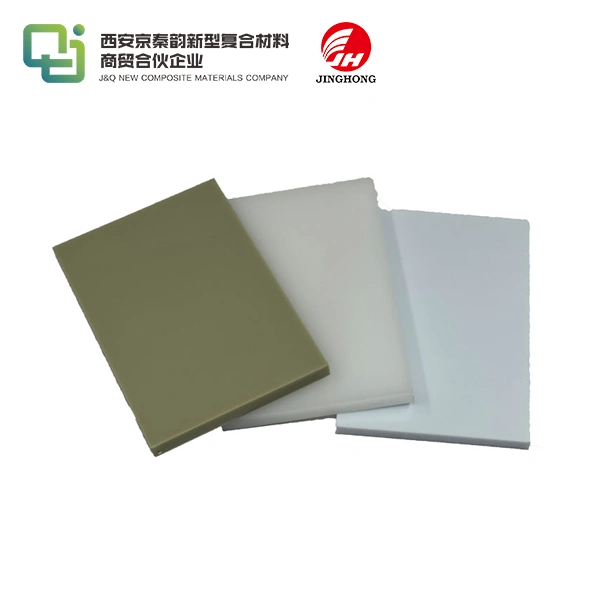
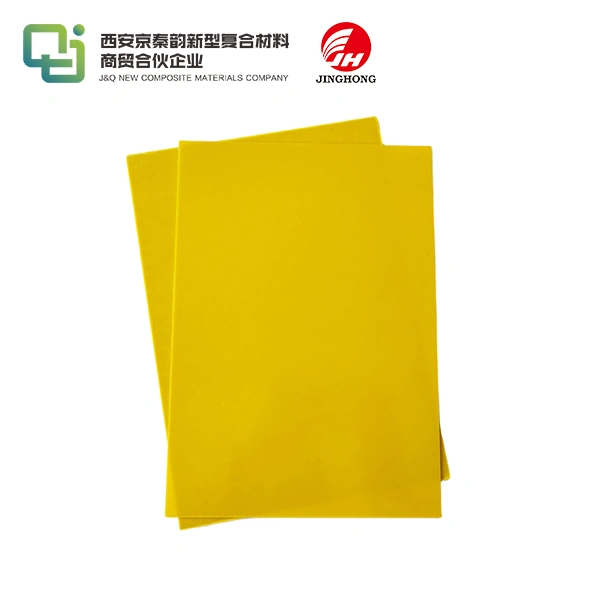
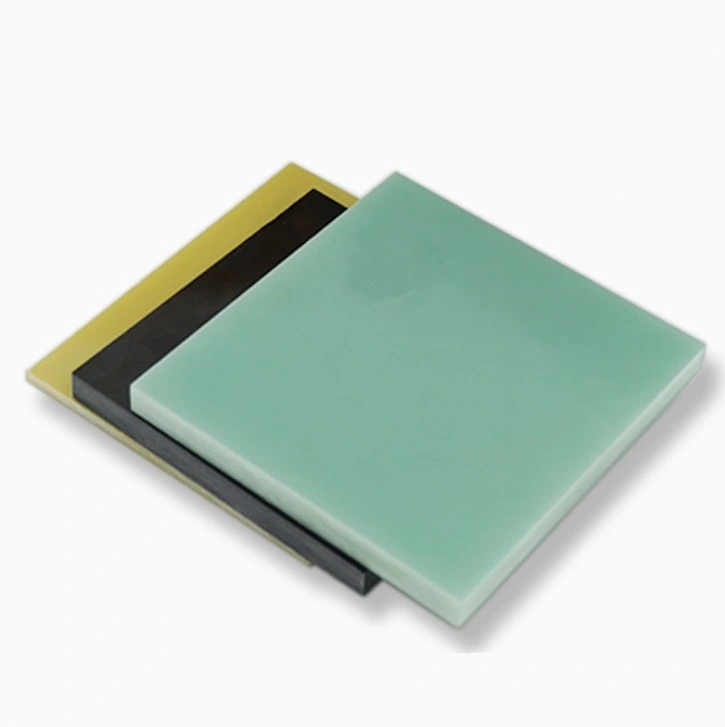
FR4 is the most common grade. Its name comes from the fact that it is flame-resistant and meets UL94 V-0 standards for flammability through brominated epoxy formulas. G10 has similar mechanical properties to FR4, but it doesn't stop flames. FR4 has mostly replaced G10 in applications where fire safety compliance is important. The G11 and FR5 grades have better thermal performance and higher glass transition temperatures, making them suitable for lead-free soldering and high-temperature service conditions. Choosing the right material depends on how well these grade qualities match your application needs and legal standards.
Why Glass Epoxy Sheet Excels in High-Performance Equipment
Solving Real Engineering Problems
Glass epoxy laminates directly solve problems that equipment makers keep running into. Standard insulation materials lose their dielectric properties when they get wet, but these sheets don't absorb much water, so they keep their properties even in tropical temperatures, coastal settings, and places where condensation is likely to form. In industrial processes like solder reflow, thermal cycling changes the size of surfaces that aren't very good, but glass epoxy stays within tight tolerances even when the temperature changes. When plastics are exposed to chemicals like oils, solvents, and cleaning products, they break down. However, most industrial chemicals can't damage epoxy resin formulas.
Superior Performance Across Applications
When we look at why buying teams in different businesses pick these laminates, we see patterns:
Electrical and electronics manufacturers rely on FR4 sheets as PCB substrates because they provide the electrical isolation needed for circuits to work and can withstand being heated several times during assembly without warping. The CNC machinability lets you drill precisely for mounting holes on components and route boards with complicated shapes. Meeting UL and ROHS standards is enough to meet legal needs; no other qualification testing is needed.
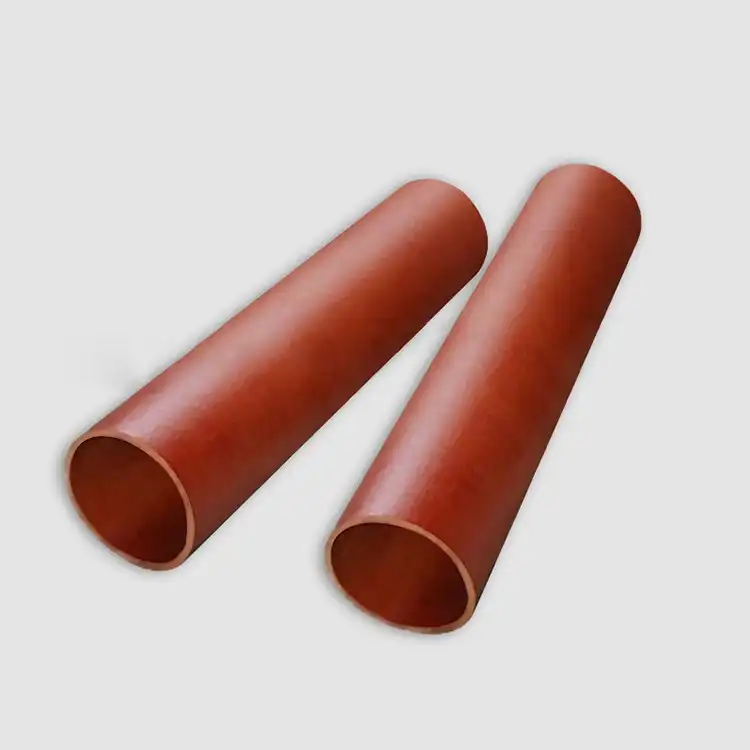
Industrial machinery builders use phenolic cotton sheets and epoxy laminates in places where mechanical loads, wear protection, and structural insulation all come together. These materials are used to make gears that are quiet and don't wear down easily. Mechanical spacers keep precise limits even when they're compressed, and insulation barriers in motor housings and control panels keep workers safe from electrical dangers.
Power distribution companies use these sheets to protect transformer coils and stop arcs. They have to work well for decades. The flame resistance stops the fire from spreading when there is a fault, and the temperature stability makes sure that the material won't break down during regular thermal cycling. Quality certifications from well-known suppliers lower worries about liability and help build long-term buying relationships.
Automotive component suppliers choose FR4 and phenolic materials for the battery pack insulation walls in electric cars. To stop thermal runaway, these materials must be able to withstand high temperatures reliably. Precision cutting lets you make your own fixtures, and stable batch quality lets you meet the needs of high-volume manufacturing without having to re-qualify every batch.
Home appliance manufacturers like how cheap Bakelite and epoxy sheets are for making motor brackets and thermal separation parts that need to work reliably throughout the lifecycle of a product while also meeting the costs of mass production and quick delivery schedules.
These uses show how the balanced property profile of Glass Epoxy Sheets can solve issues that other materials can't handle at the same time.
Competitive Advantages Over Alternative Materials
Even though metal parts are strong mechanically, they can't be used for electrical protection because they conduct electricity and add weight. Standard plastics don't have the mechanical properties and temperature resistance that are needed for harsh environments. Ceramics can keep electricity from flowing, but they are fragile and hard to make into complicated shapes. When phenolic paper laminates get wet, they soak up water and lose their mechanical strength. Electrical insulation, mechanical strength, thermal stability, and the ability to be machined are all qualities that Glass Epoxy Sheets have in common.
How to Choose the Right Glass Epoxy Sheet for Your Application
Matching Technical Specifications to Requirements
Before you buy something, you should know how it will be used and what kind of performance it needs. The width of a sheet affects both its mechanical strength and its ability to insulate electricity. Thick materials can handle heavier loads and better voltage separation, but they are heavier and cost more. The operating temperature ranges tell us if standard FR4 grades are enough or if high-Tg materials are needed to keep the material from getting soft and changing shape. The dielectric strength you need depends on the voltage levels in your application. For higher voltages, you need materials that have been shown to work well as insulation.
Evaluating Material Grades Against Application Needs
Managers of engineering projects should make definition grids that compare the properties of grades with the needs of specific applications. Does the safety of your equipment require that it be flame retardant? FR4 is needed more than ever. Will the parts be exposed to temperatures above 140°C all the time? High-Tg grades keep performance from going down. Do wet cutting or steamy storage happen during the production process? Low water absorption keeps the electrical and physical stability safe. Does precision machining determine how a part works? Consistency in the material and accurate thickness tolerances become very important factors in choosing a supplier.
Quality Assurance and Certification Requirements
Suppliers can be trusted if they follow industry norms and certification methods. The NEMA LI-1 standards describe the electrical and mechanical features of phenolic and epoxy laminates. They give us a way to compare materials in a fair way. The MIL-I-24768 military standards make sure that materials meet the needs of the defense business for being reliable in harsh circumstances. By setting uniform performance factors, IEC 60893 international standards make global procurement easier. Independent tests that use UL94 flammability ratings to back up claims of flame resistance. Before committing to long-term sourcing relationships, procurement teams should check that suppliers are certified and ask for material test reports that show compliance with relevant standards.
Risk Mitigation Through Supplier Evaluation
Problems with materials and the supply chain have high costs, like slowing down production, damaging equipment, safety incidents, and unhappy customers. To lower these risks, you need to look at possible providers in more than just terms of price. Manufacturing capability tells you if suppliers can consistently make materials that meet your needs across production lots. Systems for quality control show if suppliers find problems before they are shipped. Managing inventory has an effect on wait times and the dependability of order fulfillment. Having technical support helps with application questions and processing problems. Suppliers' trade knowledge shows how well they understand foreign logistics, customs rules, and document standards. These evaluation criteria tell the difference between vendors who are reliable and want to work with you for a long time and those who are just looking for a quick buck, which is a key consideration when sourcing a Glass Epoxy Sheet.
Where and How to Procure Glass Epoxy Sheets Efficiently
Understanding Market Dynamics and Pricing Structure
When budgeting and bargaining, procurement managers should know that material prices depend on a number of factors. The price is directly affected by the thickness of the sheet because making bigger materials uses more raw materials. Costs depend on the grade you choose. Standard FR4 is usually cheaper than high-Tg or halogen-free formulations. Order number affects prices because buying in bulk lowers the cost per unit through economies of scale in production and lower handling costs. Custom sizing costs more to make, but it may save your company money on trash and extra cutting. Price changes are caused by things in the market, like the availability of raw materials and changes in demand. Long-term supply deals can help some with this.
Strategic Sourcing Approaches
Cost, quality, delivery speed, and supplier relationships are just some of the factors that need to be balanced for efficient procurement. To find reliable providers, you need to look into their production skills, quality certifications, and customer references. Most of the time, domestic suppliers offer faster delivery and easier logistics, but their unit costs may be higher. International providers can offer reasonable prices on large orders, but you need to plan ahead because of longer lead times and more complicated shipping. Custom sizing services cut down on trash and the need for extra processing, which could help cover higher material costs by saving money on work. Flexible order completion, such as contract inventory and planned releases, helps keep inventory costs in check while still meeting the needs for material availability.
Building Reliable Supply Partnerships
When you buy things on a short-term basis, you leave yourself open to supply problems and inconsistent quality. Strategic procurement teams put money into building relationships with suppliers that provide long-term value that goes beyond individual orders. Supplier reliability is shown by consistently delivering on time, being open about possible delays, and being able to adapt quickly to changes in requirements. Technical teamwork helps you choose the best materials and set the best working settings for your needs. Instead of pointing fingers at each other, a quality team works to fix problems and make improvements all the time. These partnerships need effort from both sides, but they pay off big time by lowering the total cost of ownership and making operations more stable for every Glass Epoxy Sheet in your inventory.
Conclusion
Glass Epoxy Sheets are used in high-performance equipment because they have a proven combination of electrical insulation, mechanical strength, thermal stability, and processing flexibility that other materials can't match. To be successful at procurement, you need to know the properties of the materials you're buying, match grades to the needs of the application, judge sellers on quality and dependability rather than just price, and form strategic partnerships that support long-term operating needs. The technical information we've given here gives engineering managers and procurement professionals the power to make smart buying choices that protect the integrity of equipment, meet legal requirements, and ensure uniform performance in a wide range of demanding industrial settings.
FAQ
What distinguishes FR4 from standard G10 glass epoxy sheet?
Since they are both made of glass-epoxy, they have the same mechanical strength and electrical insulation qualities. The main difference is that FR4 has brominated chemicals that make it flammability-compliant with UL94 V-0 standards, while G10 does not have any flame-retardant ingredients. Because of safety rules and equipment certification needs, FR4 has become the most popular choice, replacing G10 in most electrical and industrial settings where there is a chance of fire or damage to a Glass Epoxy Sheet.
How does thermal resistance impact equipment durability?
Thermal resistance tells us if a material's shape and mechanical traits stay the same when it is exposed to heat. Standard FR4 with a glass transition temperature of about 130°C to 140°C works well in normal electronics production. High-Tg versions rated to 170°C or higher stop the Z-axis from expanding and softening during lead-free soldering processes that go above and beyond normal temperature ranges. Choosing the right thermal grades keeps equipment from warping, delaminating, and breaking down mechanically, all of which can affect how well it works and how long it lasts.
Where can I find reliable sources for large orders?
Reliable providers show what they can do by getting certifications like NEMA, MIL-SPEC, IEC, and UL standards compliance. For verification, you need to ask for certification paperwork and test reports on the materials before placing large orders. Established suppliers with 20 years of experience in manufacturing, knowledge of international trade, and the ability to handle all aspects of logistics provide the dependability needed to meet quality standards and production schedules for large-scale purchases.
Partner with J&Q for Your Glass Epoxy Sheet Requirements
When J&Q works with a Glass Epoxy Sheet supplier, we bring more than 20 years of experience in manufacturing and more than ten years of experience in international trade. We can make FR4, G10, G11, and other grades that are specially designed to meet strict requirements for electrical insulation, mechanical strength, and thermal performance. Technical buying teams like ours are committed to NEMA, MIL-SPEC, and UL compliance, and that we back this up with a lot of quality paperwork.
What makes our service unique is that we keep a large collection on hand so that orders can be filled quickly. We also offer custom sizing to your exact specs and run our own logistics network, so you can place an order and get it delivered to your building all in one place. We understand your needs and deliver consistent quality across production lots, whether you're looking for PCB substrates for making electronics, insulation barriers for power equipment, structural components for industrial machinery, or precision-machined parts for cars.
Email our scientific team at info@jhd-material.com to talk about your unique application needs, get samples of the material to test, or get full quotes for large orders. You can look at all of our products and technical information at jhd-material.com. We're ready to become your reliable manufacturer and help you get the best deals on tools.
References
1. National Electrical Manufacturers Association. (2019). Industrial Laminating Thermosetting Products: NEMA Standards Publication LI 1-2019. Rosslyn: NEMA.
2. Harper, C.A. (2015). Handbook of Plastics Technologies: The Complete Guide to Properties and Performance (4th ed.). New York: McGraw-Hill Education.
3. Coombs, C.F. (2018). Printed Circuits Handbook (7th ed.). New York: McGraw-Hill Professional.
4. IPC International. (2016). IPC-4101 Specification for Base Materials for Rigid and Multilayer Printed Boards. Bannockburn: IPC Association Connecting Electronics Industries.
5. Underwriters Laboratories. (2017). UL 94: Standard for Safety of Flammability of Plastic Materials for Parts in Devices and Appliances. Northbrook: UL LLC.
6. Campbell, F.C. (2010). Structural Composite Materials. Materials Park: ASM International.