How Is 3240 Laminate Sheet Used in Transformer Spacers and Electrical Supports?
2026-11-11 17:25:45
You can find 3240 Laminate Sheet for electrical supports and generator spacers, among other applications. Because it is stiff, it doesn't change the space between the wires, coils, and windings. It's used to make support plates, rings, clamps, and spacer blocks that don't bend or break. The space between the two wires stays the same with these. This is strong and good at moving electricity because it is made of epoxy phenolic glass cloth. It works in places that are wet or oily. How does it work? How do I plan and make parts? How do I know if it's good? How do I choose a service?
How 3240 Laminate Sheet Works in Transformer Spacers
Keeping Windings Separated Under Load
Spacers are the things that are inside it. They are in the middle of the wounds, coils, and structure. There is a gap between the insulation systems, and the first thing they do to make sure it stays stable is move the gap around. They work on computers for extra money. The coil unit gets squashed and bent when people move, shake, or have short circuits. It's important that these loads don't damage the gap. This glue stops electricity from moving, and the glass cloth support is tough to bend. That's why I like 3240 for this job. Most datasheets for this grade say it can bend more than 340 MPa. This seller sends me a technical data sheet. Every company I sell to should read it, because each company sets numbers in their own way.
Common Spacer and Support Shapes
I only see a few types of ads. There are flat blocks on top of the twisting that make room for them. Plates and supports hold the weight of the coil at each end. Parts that clamp and insulation bands keep things together when they're being urged. You can use designs that aren't common when you use custom brackets. A lot of the time, the same sheet is used to support both the hub walls and the terminals. Because it's flat, CNC routers, mills, and drills can cut it from a single sheet into many shapes. OEMs can get many of the parts they need over and over, but small repair shops can only get a few. What makes a part thick is how much weight it needs to hold and how much space it needs.
Design Rules for Clearance, Creepage, and Edges
To do their job well, electrical and mechanical spacers made from 3240 Laminate Sheet need to be able to handle winding pressure, temperature rise, working frequency, and rated voltage. How it will be used and how it will be made will tell you what thickness and edge distances you need. The edges, holes, and small shapes on a 3240 Laminate Sheet should all be smooth and free of burrs after you machine it. This is necessary because holes, burrs, and rough edges can cause electric fields to gather there. Weak spots could also appear on parts of the 3240 Laminate Sheet that have thin glass cloth, slots, or a lot of holes. It doesn't matter which way the glass cloth faces; the technical plans should show where and how to put each part on the sheet. Electricity and motors will work better and be more protected if they use the right 3240 Laminate Sheet. But what happens in the end will still depend on how the insulation system, protection, and the whole thing is designed and put together. When you're done with the design, you should always test the 3240 Laminate Sheet parts in the real world.
Material Composition, Properties, and Limits
What Goes Into the Sheet
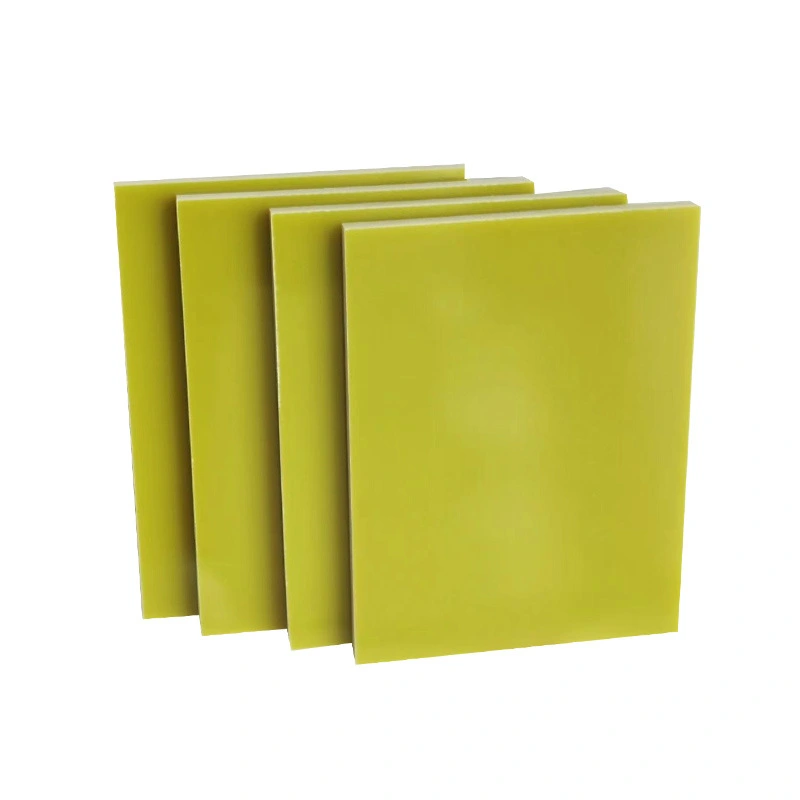
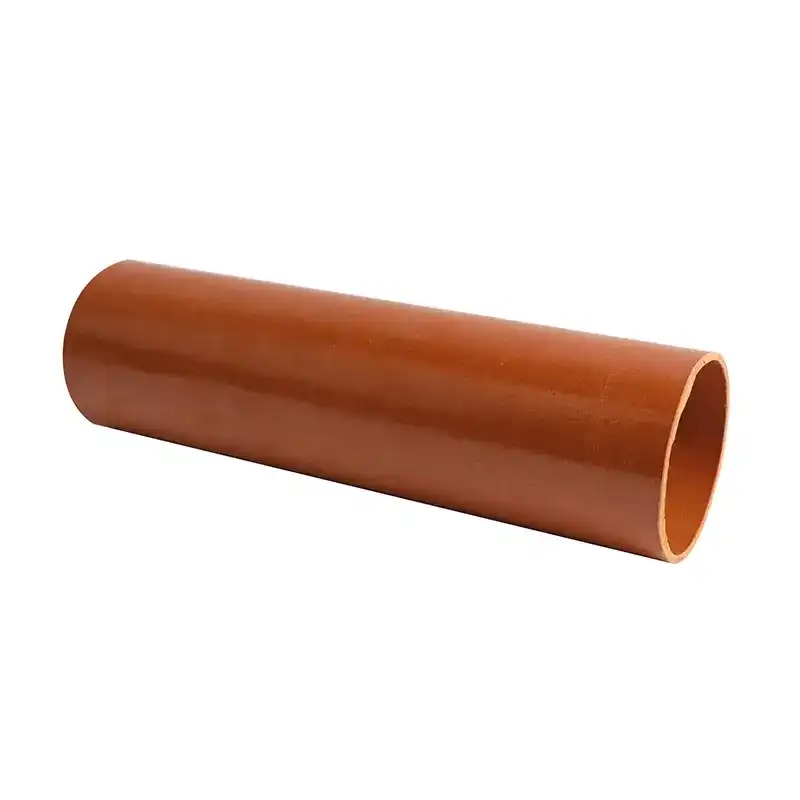
Stacks of alkali-free glass fibre cloth that have been soaked in epoxy phenolic glue are used to make it. After that, the cloth is cooked and pressed with hot water that is at a certain temperature and pressure. The glass cloth keeps this stuff stiff and in place. The resin keeps the power safe and helps the things stick together. It can also deal with water and chemicals. It's also known as 3240 epoxy board, epoxy glass cloth sheet, and fibreglass laminate. On safety sheets, the number 3240 is sometimes written next to G10, G11, 3640, 3840, and 3240. These marks are different, though, and they don't mean the same thing. This glass board is stronger than phenolic paper laminates if you need to make wiring that will be put through a lot of stress.
Electrical and Mechanical Properties to Check
When an engineer looks at something, they usually check its dielectric strength, insulation resistance, flexural strength, compressive strength, ability to withstand pressure, and its ability to soak up water. In oil, this stuff has a dielectric strength of 10–12 kV/mm. It's also good that it doesn't lose a lot of power and works well with chemicals and generator oils. That's what the box says. You should also have a lot of levels. There are bands of different sizes, but most of them are between 0.2 mm and 1.5 mm apart. They might be different if the test changes in width, temperature, direction, or how wet it is. The ASTM D790 standard checks how well something can bend, and the ASTM D149 standard checks how well it can stop electricity from moving through it. I believe you should ask for a certificate instead of just a number for each batch.
Temperature, Moisture, and Outdoor Limits
Class B says it can handle 130°C, but some 3240s that have been changed can handle up to 155°C. It won't work after running it too far because the plastic will turn into carbon. Remember that temperature class and steady operating temperature are not the same thing. Ask the service provider to look at all of them. Not as well when it's wet, even though it doesn't soak up as much water as paper laminates. Sheets need to be dried before people use parts that use a lot of electricity. Where I keep them, they stay dry. If the part is outside, it needs a cover or case that keeps UV light out.
Machining, Quality Checks, and Material Comparison
Machining Glass Cloth Laminate Cleanly
Diamond or tungsten carbide tips on tools will last longer and break down less quickly. Get rid of the glass fibre dust because it's bad for your eyes and lungs. Most things can be cut with saws, mills, drills, and CNC routers. Punching or waterjet cutting can be used if the part's shape allows it. Change the cutting heat, feed rate, how the work is held, and the sharpness of the tools to get rid of more burrs, cracked edges, and delamination. You might find a lot of repeat orders or forms that are hard to understand if you look at the first piece made with CAD software before the rest are made. Full-size sheets that are more than 7 mm thick can be over 25 kg and have very sharp edges. Do not touch the sheets too much, or you could hurt your eyes.
Comparing 3240 With FR4, G10, and Phenolic
Rather than relying solely on product names, check the technical data sheets to understand the actual properties and performance of each material. Many circuit boards use FR4, which typically meets the UL 94 V-0 flame-retardant rating. In comparison, a 3240 Laminate Sheet has different flame-retardant characteristics and may not provide the same level of fire resistance as FR4. Depending on the application and applicable fire safety requirements, a 3240 Laminate Sheet may offer a more economical option. G10 and 3240 materials can sometimes be used together, but their resin systems, applicable standards, and certification documents may differ. For applications involving lighter mechanical loads, phenolic paper laminate may help reduce material costs and processing time. However, glass epoxy materials are generally more suitable for applications requiring higher mechanical strength and better electrical insulation performance. When purchasing a 3240 Laminate Sheet, always confirm its flame-retardant rating, technical specifications, and relevant certification documents. Comparing these details will help you select the right 3240 Laminate Sheet for your specific electrical and mechanical requirements.
Inspecting Sheets and Finished Parts
Every time something new comes in, it is checked for quality. You need to check the grade, width, sheet size, look, flatness, batch number, and manufacturer's license. You may also want to check for water absorption, resistance to insulation, flexural or compressive strength, dielectric strength, and thermal ageing if the job calls for it. Parts are ready to be put together if they are smooth, don't have any burrs, cracks, or delamination, and have the right number of holes and width of slots. Before they place their first order, I think the buyer and the seller should agree on how to test, what the acceptance standards are, and how close the drawings can be. If someone in the US wants to buy something, they should ask for UL or RoHS paperwork right away for each item. This is because compliance depends on the grade and creator. It's also helpful to have records of traceability and certificates of conformity on hand for audits.
Where 3240 Laminate Sheet Is Used Across Industries
Transformers, Switchgear, and Power Equipment
3240 can be used as a timer block, an insulator, a phase divider in oil-immersed transformers, or to hold coils in place. The sheet's dielectric strength stays the same even when it's in hot generator oil. This makes short circuits and unplanned downtime less likely to happen. More tests need to be done on the walls of the busbar and the plates that hold the terminals to check for heat, short-circuit forces, enclosure conditions, and the required creepage distances. People who make transformers and power distribution systems usually care about stable temperatures, systems that are certified to be of high quality, and long-term supplies. Before they place a full order, I tell them to do a test setup to make sure there is enough room for electricity, a good load, and a good fit.
Motors, Machinery, and Mold Fixtures
Small electric motor parts like slot wedges, spacers, and brush holders are made with 3240. Because it is very strong, it can handle the shakes and rotational force that come from big machines that spin. The sheet is also used by machinery builders to insulate structural parts, make mechanical spacers, and make injection moulding equipment because it doesn't bend or break when heated or pressed. The stiff, flat board is also used to hold PCB drilling tools in place and as their base plates. A mechanical engineer cares just as much about thickness accuracy as they do about strength. This is because spacers of different widths change how things are lined up and where loads go. I think you should write down the mistake in the picture and make sure you know the supplier's gauge range before you place your order.
Electronics, Automotive, and Appliance Parts
The people who make and sell 3240 Laminate Sheet do it. Aside from batteries, computers, motors, and mechanical parts, it is used to pack all of these things. 3240 Laminate Sheet is used by electricity companies to make parts that keep things together and parts that keep things from touching each other. 3240 Laminate Sheet is a cheap material that can be used to make straps that keep things in place and heat-resistant pads. It's sometimes used by auto companies. A business that makes machines might choose 3240 Laminate Sheet for parts like motor brackets and heat insulation if they want to keep costs low and make sure the material always works the same way. But you should make sure that the grade of flame-retardancy is correct and that the seller can promise that the quality of the work and the accuracy of the measurements will not change from one production batch to the next. If your project needs more flame resistance or needs to be able to put out fires on its own, FR4 might be a better choice than 3240 Laminate Sheet. You should look for a trustworthy business that can help you compare the technical specs of two materials and figure out if 3240 Laminate Sheet meets your project's electrical, mechanical, and safety needs.
Choosing a Supplier and Avoiding Common Mistakes
How I Evaluate a 3240 Laminate Sheet Supplier
Price doesn't tell you much on its own. First, find out if the business only sells laminate or if it also runs a workshop and makes insulation parts. Then look at the range of thicknesses, sheet sizes, machine capacity, quality system, experience with exporting, stock, and lead time. An important part of a good RFQ is the type of material, its thickness, size, quantity, tolerances, operating temperature, test requirements, where the goods need to be shipped, drawings, and any other paperwork that is needed. Things like supplies, labour, inspection, packaging, goods, and even a new batch of goods if the first batch is bad cost money. It's also important for OEMs and distributors to make sure they can use prototypes and place more than one order. If you have a good model, you can keep making things.
Mistakes That Cost Time and Money
A lot of people make the wrong choice because they only look at the formal grade. Different information, rules, or standards can be used to market the same item with a different name. It's also not a good idea to choose a width based only on voltage and not load, heat, moisture, or tolerance. Checks are also not done on machined parts if the edges are broken, the holes are too big, or the surfaces have burrs and other flaws. It is important to write down the important measurements, tolerances, edge radii, and ways to check the work on the models. Shipment water can damage sheets if you don't handle them well. If you stack them wrong, they can get bent. That risk is smaller when you ship things over long distances with protective wrapping and strong pallets.
Final Buying Checklist
I make sure that the material meets the standards for thickness, size, tolerance, temperature rating, insulation, and strength before I agree to buy it. When it comes to the product, I check to see if the sheets come in standard or custom sizes, if they can be cut with a CNC, how good the surface and edges are, and if it's likely that I can get samples. When it comes to business, I ask about the state of the manufacturer, stock, the minimum order quantity, lead time, shipping terms, payment terms, and how to make a claim. I put it together again to make sure there was enough space, it would hold the weight, it would fit well, and I would have all the paperwork. Most of the time, people who buy something will find problems right away, but it's still easy and cheap to fix.
Conclusion
3240 Laminate Sheet is made of epoxy phenolic glass cloth and can handle being heated, shaken, and pressed. The space between the wires and windings stays the same. As a gap for transformers, it holds electricity in place. It stays warm and safe from generator oil because of the resin. It stays strong and in shape because of the glass cloth. Temperature class, dielectric strength, and bending strength can be different from one maker to the next, so it's important to look at data sheets and group certificates. There needs to be a way to keep the dust down and clean edges on the machine. Flame standards need to be checked for 3240 because it doesn't usually have a grade that puts out fires on its own like FR4. When there are clear drawings, agreed-upon inspection standards, and a test assembly, parts are less likely to break.
FAQ
What is the main difference between 3240 and FR4?
In terms of fire safety, UL 94 V-0 rates FR4. It's not rated that way on epoxy-phenolic grade 3240, and it costs less when there aren't strict fire rules in place.
Can 3240 be used in transformer oil?
Yes. It can handle engine oil because it is made of epoxy-phenolics. It also retains its ability to retain heat even when it gets wet. Check out the supplier's data sheet for exact data.
What is the maximum operating temperature?
Class B 3240s are the standard, which means they can handle 130°C. However, some that have been changed can handle up to 155°C.
What do you need to quote custom spacers?
Send the price, the number of sheets, the thickness, the working temperature, the voltage, the drawings, and the address where the goods will be sent.
Request a 3240 Laminate Sheet Quote from J&Q
Contact J&Q at info@jhd-material.com with your thickness, sheet size, quantity, operating temperature, and drawings, and we will review your transformer spacer or electrical support needs. As a 3240 Laminate Sheet manufacturer with more than 20 years in insulating sheet and over 10 years in foreign trade, we also run our own logistics company for one-stop service. Visit jhd-material.com for product details.
References
1. NEMA LI 1 Industrial Laminated Thermosetting Products, 1998
2. IEEE Std C57.12.00 Standard for General Requirements for Liquid-Immersed Distribution, Power, and Regulating Transformers, 2021
3. IEC 60893-1 Insulating Materials – Industrial Rigid Laminated Sheets Based on Thermosetting Resins for Electrical Purposes, 2004
4. ASTM D149 Standard Test Method for Dielectric Breakdown Voltage and Dielectric Strength of Solid Electrical Insulating Materials at Commercial Power Frequencies, 2020
5. ASTM D790 Standard Test Methods for Flexural Properties of Unreinforced and Reinforced Plastics and Electrical Insulating Materials, 2017
6. IEC 60085 Electrical Insulation – Thermal Evaluation and Designation, 2007
_1764314369204.jpg)
_1765955136885.jpg)