Lead Time Factors for CNC Machined FR4 Boards
2026-06-12 16:51:56
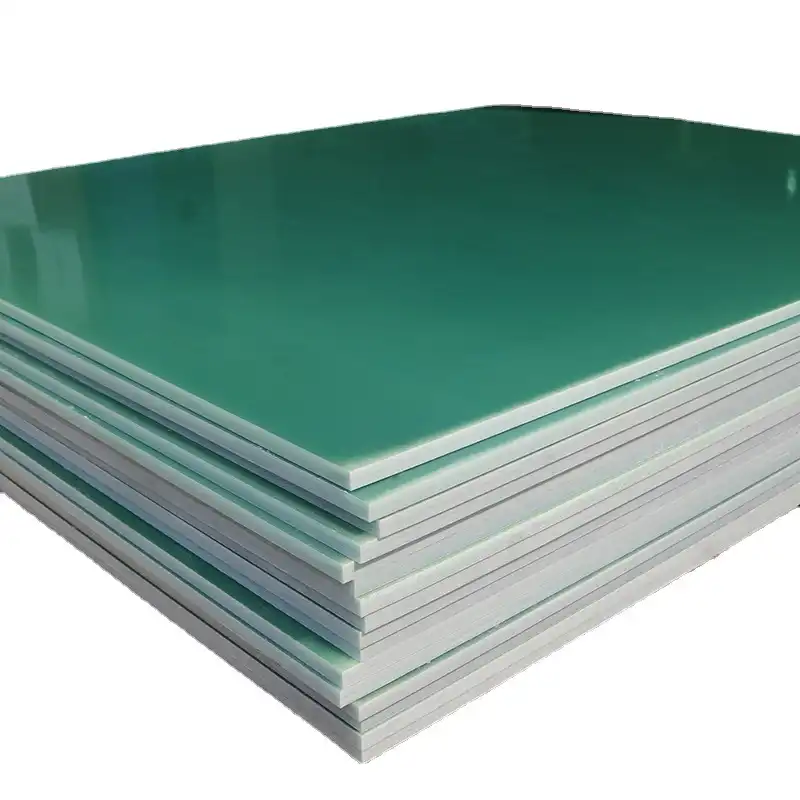
Knowing the wait time for CNC machined FR4 boards used for electrical insulation or PCBs is important for keeping production plans. The time it takes to deliver these glass-epoxy laminates relies on how easy it is to get the materials, how complicated the cutting is, how big the batch is, and how quality control is handled. Most orders are shipped between one and three weeks after they are placed, but this can change depending on the design requirements and the supplier's capabilities. When procurement teams understand how technical needs and production methods affect each other, they can plan for delays, set realistic deadlines, and avoid costly project interruptions.
Understanding Lead Time in CNC Machined FR4 Board Production
Lead time includes the whole process, from confirming the order to receiving it at your building. This includes order processing, where engineering teams look over technical drawings, material preparation, which includes finding the right grade FR4 boards meeting NEMA or MIL-I-24768/27 standards, CNC machined, which makes precise cuts and drills, quality inspection, which checks for accuracy in measurements and dielectric strength, and shipping logistics, which makes sure the goods get to their destination safely.
Why Lead Time Management Matters for B2B Buyers
Electrical equipment makers put a lot of pressure on their purchasing managers to make sure that the arrival of materials doesn't interfere with the schedules of the production lines. If the supply of epoxy boards is late, it can stop the production of switchgear assemblies or transformer parts, which can cause other manufacturing processes to be interrupted as well. Accurately predicting wait times has a direct effect on inventory management strategies. This lets businesses keep the right amount of stock on hand without wasting money on storage.
When developing arc barriers or busbar supports, engineering teams that are building power distribution systems need to know when they can get the materials they need. Expectations about lead times that are too short force designers to make hasty choices or pay extra for air freight, which cuts into project budgets. We've seen car suppliers miss important validation dates because they didn't realize how hard it would be to machine special battery pack insulators. This shows how buying planning affects a company's ability to compete.
Components of Production Timeline
Order processing usually takes two to three business days because technical staff have to look over CAD files to make sure they can be made. During this step, possible issues are found, such as not enough tool space for tight-radius cutouts or thickness specs that are too tight for normal sheets. Preparing the materials takes an extra three to five days, based on whether the stock sheets need special certifications or if the copper wrapping needs to be made to fit specific needs.
The length of time needed for CNC machined duration depends a lot on how complicated the plan is. Simple rectangular shapes with standard hole patterns can be finished in one shift, but complex forms with countersunk features, threaded inserts, or contoured edges need several days of tool changes and fixture adjustments. Quality checking procedures add an extra one to two days because techs have to measure the breakdown voltage, make sure that the dimensions are within 0.1 mm of tolerance, and make sure that the surface finish meets the standards.
Key Factors Influencing Lead Time for CNC Machined FR4 Boards
Real shipping times depend on a lot of different factors, which makes it hard to make accurate estimates without full project details.
Material Sourcing and Stock Availability
Standard sheet sizes in popular thicknesses (1.6mm, 3.2mm, and 6.4mm) for FR4 boards usually ship faster because sources keep extras in stock. Special orders from plastic makers are needed for custom sizes, which adds seven to ten days to the time it takes to machine the parts. Copper-clad versions cause extra delays if the weights of the covering ordered don't match up with what's in stock.
Location has a big effect on how quickly goods are bought. When compared to foreign sources, domestic providers cut down on transit time and customs clearance problems. But certain high-Tg formulas or halogen-free versions might only be available from certain makers, no matter where you live. Because it has a density of 1.85–2.10 g/cm³, air freight is expensive for big orders. This forces buyers to use ocean shipping, which takes two to four weeks longer and is only available for foreign shipping.
Machining Complexity and Design Specifications
The time it takes to machine is directly related to the width of the board, since bigger laminates need slower feed rates to keep them from delaminating. Even with the same hole designs, drilling a 12mm epoxy board takes a lot longer than drilling a 1.6mm sheet. Because continuous filament glass cloth is rough, it speeds up tool wear, so bit changes are needed a lot during long production runs.
Processing takes longer when custom features are used. Threaded brass plugs need accurate pilot holes and steps that must be done by hand. For flush-mount screws, countersunk holes need chamfering processes in addition to drilling. To keep the workpiece's positional precision across its complex shapes, multi-axis machining sets with special fixtures are needed. These improvements add real value but also make things take longer.
Order Quantities and Batch Scheduling
Because setup takes the same amount of time whether you're cutting one board or one hundred, prototype numbers of five to ten pieces often need longer lead times per unit. Programming tool routes, adjusting fixtures, and inspecting first-articles are all set costs that are spread out over the size of the batch. When you make more than fifty units, economies of scale kick in, and setup time is almost nothing compared to the total number of hours spent on cutting.
Suppliers carefully select orders based on how much money they can make and how much of their capacity is being used. Large orders from customers who have bought from you before may get more attention than small sample requests from new customers. Understanding these factors helps procurement teams get better deals by using tactics like order consolidation and building relationships.
Comparing Lead Times: FR4 Boards vs Alternative PCB Materials
Material choice affects shipping plans in more ways than just making sure materials are available.
FR4 vs Aluminum Substrates
Aluminum-backed boards are better at transferring heat for high-power LED uses, but they need to be machined in a different way. Metal surfaces can be machined more quickly with regular end mills because they don't have the problem of tool wear that comes with rough glass fibers. But getting special aluminum-core laminates from a small number of sources may mean that you have to wait longer to get them, which could cancel out any benefits of cutting. FR4 boards are still easy to find thanks to well-established delivery networks that have been built up over decades of industry standards.
FR4 vs Polyimide Flexibility
Flexible polyimide circuits can be used for things that can't be done with hard epoxy laminates, but they take a lot longer to make. Because thin polyimide films need special laser cutting tools, suppliers don't have as many choices. Handling and quality control methods that are specific to flexible circuits add steps to the process that aren't needed for hard board workflows. When rigid building is needed for an application, FR4 boards offer faster shipping and lower unit costs.
Performance Trade-offs Affecting Timeline
FR4 can be used in wet places without the need for special treatments that take longer to process because it has a flexural strength of over 340 MPa and a water absorption rate of less than 0.1%. When using different materials that need edge sealing or conformal coatings, there are extra drying steps that need to be done between cutting and final inspection. Because FR4 has a self-extinguishing UL94 V-0 flame rating, it doesn't need any extra flame retardant processes after processing like some other surfaces do.
Optimizing Lead Time: Best Practices for B2B Buyers
Proactive buying strategies cut shipping times by a large amount while still meeting quality standards.
Submit Complete Technical Specifications Early
Detailed sketches that show the size of the board, where the holes should go with their own positional limits, the required edge finish, and the grade of the material get rid of the need for multiple review processes that slow down production. Early submission of full technical specifications for the FR4 board eliminates the need for multiple review processes that slow down production. Include the specs for the copper cladding, the solder mask requirements if they apply, and any special certifications that are needed to meet legal requirements. When requirements aren't clear, providers have to ask for more information, which adds three to five days to the schedule.
We've found that manufacturing questions drop by about 60% when engineering teams include STEP files along with 2D models. Three-dimensional models make complex shapes clearer than they look in flat projections, so machinists can safely program tool paths without having to look for more information.
Select Suppliers Strategically
In addition to unit price, you should look at a possible partner's skills that directly affect the reliability of wait times when evaluating them. Suppliers who keep a lot of raw materials on hand can start cutting right away instead of waiting for sheets to arrive. When you have your own quality testing tools, you don't have to wait for third-party labs to check the dielectric strength.
For pressing needs, being close by is more important than for regular refill orders. When production problems happen, domestic suppliers can speed up courier deliveries and allow site trips for first-article checks. Because we've been making things for 20 years and have integrated operations, we can offer consolidated shipping that cuts down on the handling delays that come with buying from more than one seller.
Leverage Standardization and Bulk Ordering
Designing around standard sheet sizes cuts down on waste and gets rid of the need for custom cutting, which takes more time to get ready. A part designed for 1.6 mm thickness with standard hole spacing patterns works more quickly than one designed for 2.3 mm thickness with features placed in a random way. Working together with suppliers during the planning process helps find ways to make shapes simpler without affecting how well they work.
When you combine orders from several projects into one, you can get better batch sizes, even if the needs of each application are different. We work with machine makers to plan orders that go well with each other. This way, the costs of setup are spread out over longer production runs. This method gives better prices per unit and faster turn-around times than handling orders separately.
How Quality Testing and Compliance Affect Production Lead Time
Tough quality control stops problems in the field, but it adds real time to delivery times.
Essential Testing Protocols
Testing for dielectric breakdown voltage makes sure that insulators can handle working voltages without arcing. The standard for FR4 boards says that there must be a minimum 40 kV breakdown voltage running parallel to the laminate layers. This can be proven by applying increasing voltages until the material breaks. For this damaging testing method to work, samples must be taken from every production batch, which takes time and materials. Validation of the temperature resistance shows that the glass transition temperature is higher than what is needed for the application. This keeps the dimensions from changing during reflow soldering or ongoing operation close to the rated limits.
Mechanical integrity testing checks the bending strength and impact resistance to make sure that the material datasheets are being followed. With an impact strength of about 250 J/m, the boards can handle the stresses of installation and settings with a lot of vibration without breaking. Coordinate measuring tools are used for dimension checking, which makes sure that hole locations are within certain limits. This keeps the assembly from being out of alignment.
Compliance Certification Benefits
Buyers with strict quality control systems can speed up the approval process with suppliers who have ISO 1642 and EN 60893 certifications. When recorded material properties meet design standards, pre-certified materials don't need to be tested again. Because UL recognizes certain flame resistance traits, makers can use supplier certifications in their product safety filings instead of doing their own validation.
Working with certified sellers cuts down on buying risk by a large amount. Documented quality systems give designers peace of mind that the features of materials will stay the same across multiple orders. This means that they only have to check the performance once, instead of every shipment. Longer-term supply agreements that make delivery more predictable by showing the production plan are supported by this trust basis.
Conclusion
To successfully manage wait times, you need to know how the processes for purchasing materials, machining operations, and quality testing are all linked. Using smart supplier relationships and proactive specification management, successful procurement teams find a balance between the goals of cost, speed, and dependability. Because FR4 boards are more common than other, more specialized options, they can be used more quickly. This is especially true when design complexity and batch sizing methods are carefully considered. Quality tests and following the rules take time, but they keep expensive mistakes from happening later on. By using these tips, engineering managers and purchasing experts can shorten delivery times while still meeting the high standards needed for electrical insulation projects.
FAQ
What is the typical lead time for standard CNC machined FR4 boards?
It usually takes seven to fourteen business days from the time an order is confirmed until it is shipped for standard rectangular FR4 boards with simple hole designs. This is based on the idea that the seller keeps standard thicknesses in stock and that the design uses tools that are easy to find. With extra fees, rush services may be able to cut this down to three to five days, but quality control steps must still be taken.
Can custom features like threaded inserts significantly extend delivery time?
Yes, special features do add time to both the machining process and the material wait time if hardware or brass pieces need to be ordered. Installing threaded inserts could take an extra two to three days, based on how many are needed and how hard they are to place. Complexly shaped edges that need multi-axis cutting can take twice as long to make as straight cuts.
How does board thickness impact CNC machining lead time?
Slower cutting speeds are needed for thicker laminates to keep them from delaminating and to control the heat that builds up from friction. It could take three times longer to drill a 12 mm board than a 1.6 mm sheet with the same number of holes. The rough glass content also speeds up tool wear on thick parts, which means that bits have to be changed more often, which extends the time it takes to make something.
Partner with J&Q for Reliable FR4 Board Supply
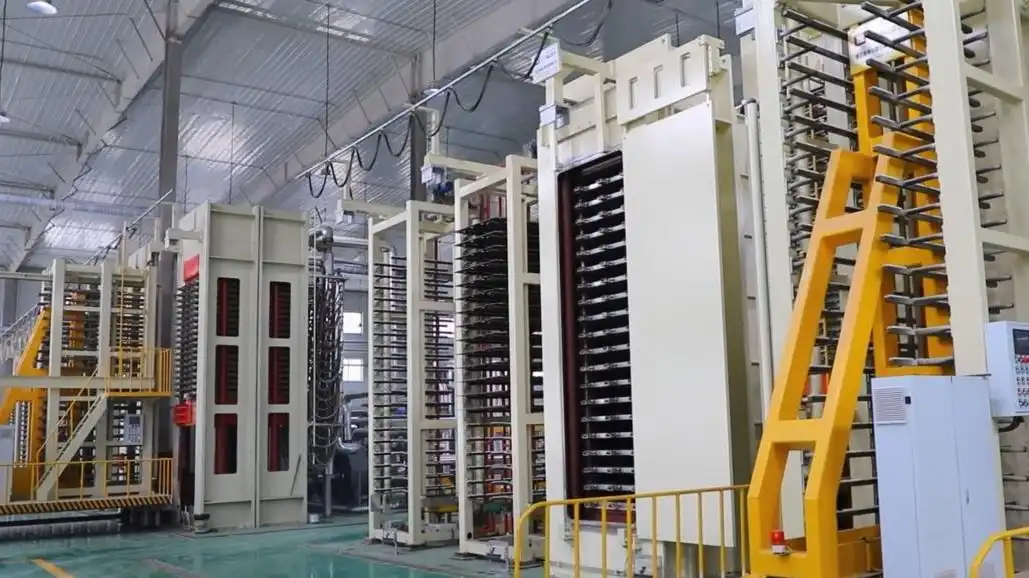
J&Q has been making FR4 boards for more than twenty years and has also been trading internationally for ten years, helping electronics makers and industrial equipment builders. Our in-house CNC machining and transportation company make it possible for us to provide real one-stop service from getting the materials to delivering them. We keep a large stock of standard FR4 board grades that meet NEMA and UL standards. This lets us start making common specs right away, while our established supply chain quickly sends specialized materials.
During the planning process, technical support teams work with your engineers to make sure that the product can be made easily without lowering the performance standards. Our quality systems are ISO-certified and have been shown to meet international standards. This gives buying managers the peace of mind they need for important projects. We offer regular lead times and clear contact throughout the process, whether you need a small number of prototypes for validation testing or a lot of production runs for ongoing production. Email our team at info@jhd-material.com to talk about your particular needs and get a thorough quote. As a producer of FR4 boards with a lot of knowledge, we can become your long-term supply partner.
References
Harper, Charles A. Electronic Materials and Processes Handbook, 4th Edition. McGraw-Hill Professional, 2018.
Coombs, Clyde F. Printed Circuits Handbook, 7th Edition. McGraw-Hill Education, 2016.
National Electrical Manufacturers Association. NEMA LI 1-1998: Industrial Laminated Thermosetting Products. NEMA Standards Publication, 1998.
Institute of Printed Circuits. IPC-4101D: Specification for Base Materials for Rigid and Multilayer Printed Boards. IPC Standards, 2020.
Underwriters Laboratories. UL 94: Standard for Safety of Flammability of Plastic Materials for Parts in Devices and Appliances. UL Standards, 2013.
Jawitz, Morris W. Materials for Rigid and Flexible Printed Wiring Boards. CRC Press, 2007.